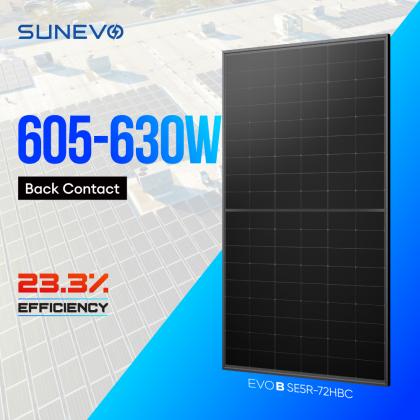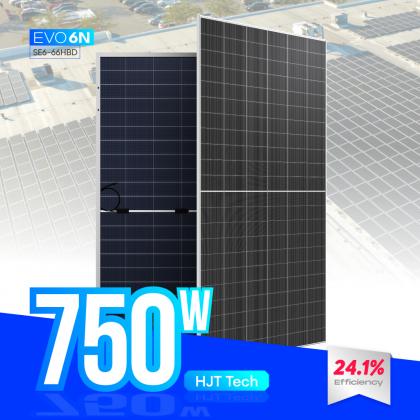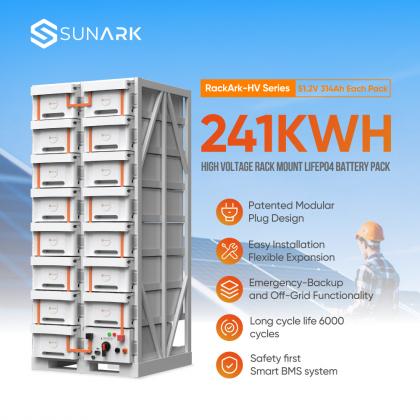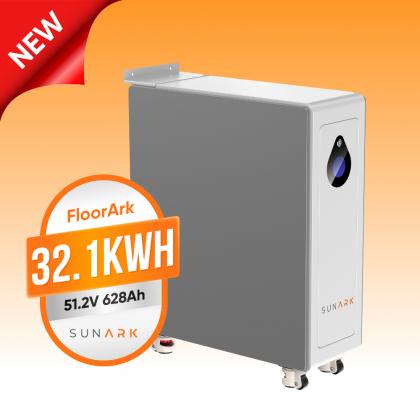
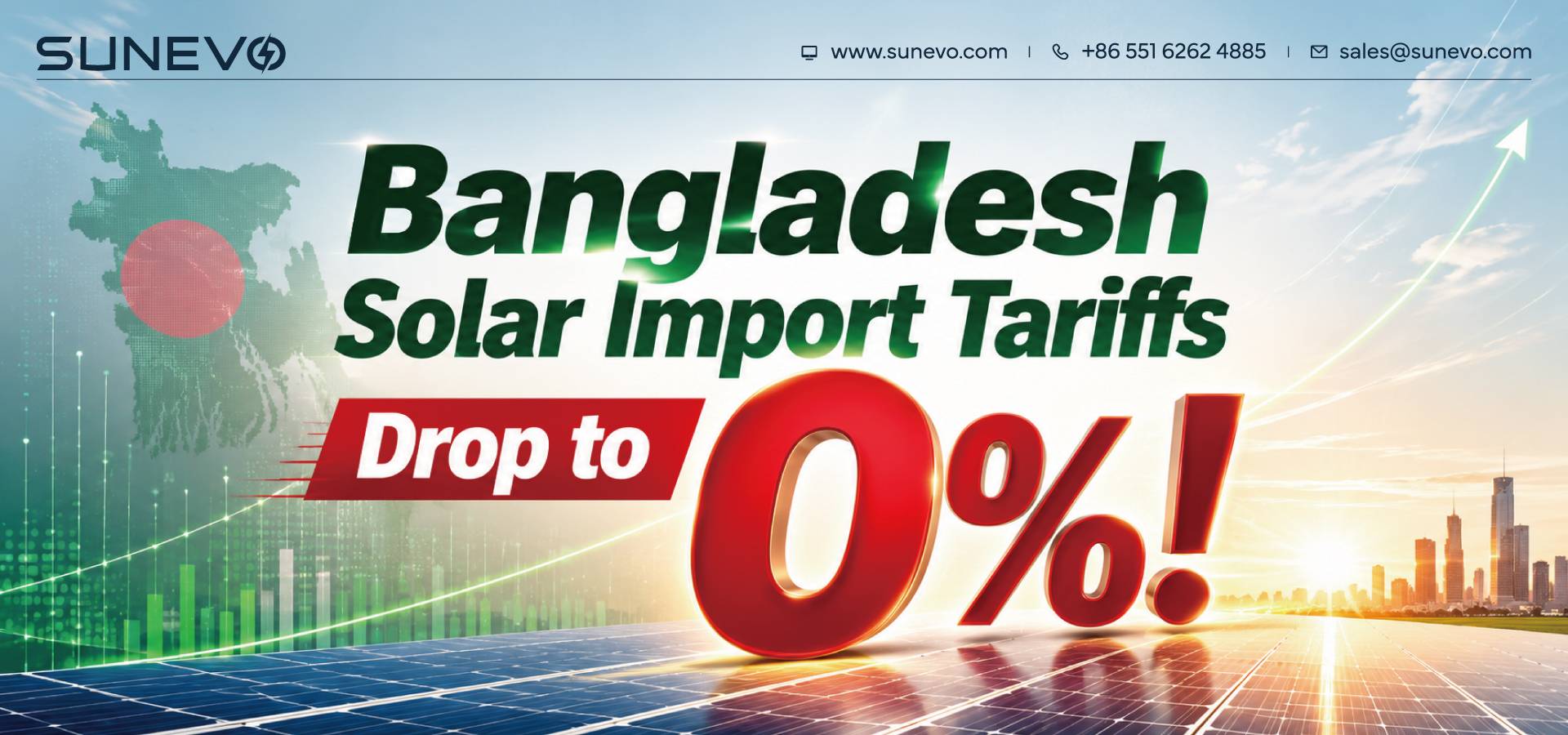
While unveiling the national budget for the 2026–27 fiscal year, Bangladesh announced a major policy that has sent shockwaves through the global photovoltaic (PV) industry: import duties, regulatory duties, supplementary duties, and advance taxes on core solar equipment have all been reduced to 0%.
01 Elimination of Four Import Taxes Across All PV & Energy Storage Categories
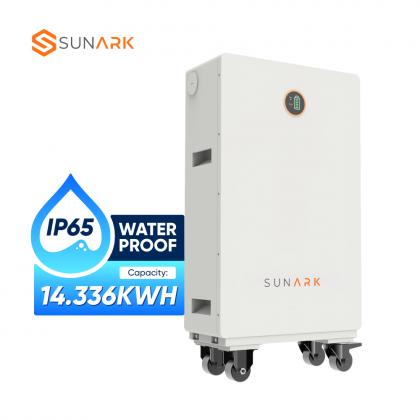
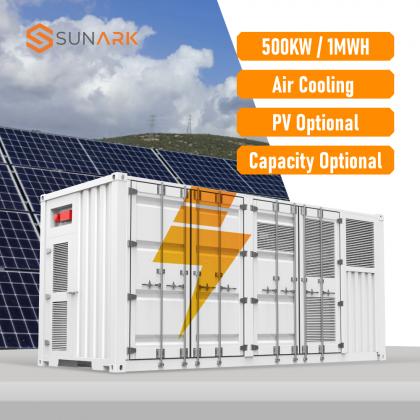
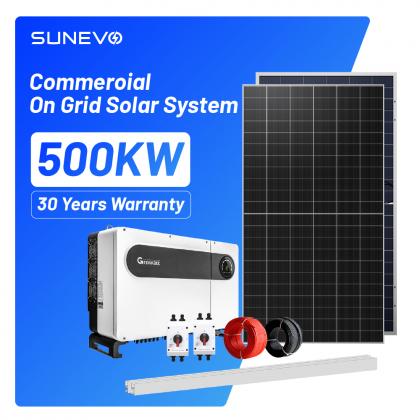
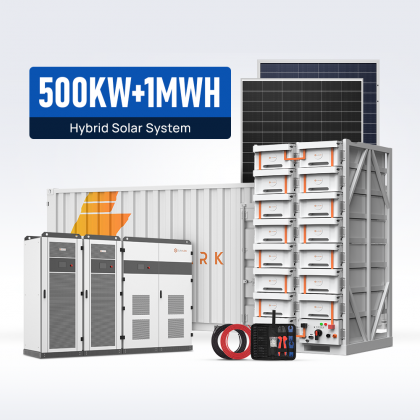
Previously, the aggregate tax rate for importing PV equipment into Bangladesh ranged from 26.2% to 58.6%. Now, tariffs, regulatory duties, supplementary duties, and advance taxes on over ten categories of key products—including PV modules, inverters, and mounting structures—have been cut to 0%, effective until June 30, 2031. According to the announcement read in parliament by the Finance Minister, equipment benefiting from these duty and tax exemptions includes: solar PV modules/panels, solar inverters, mounting structures, lithium cells, lithium-ion batteries, battery pack housings, battery energy storage systems (BESS), battery management systems (BMS), UV-protected solar DC cables, and battery thermal management systems. Previously, aggregate import tax rates for PV equipment in Bangladesh remained high. Industry data shows the following comparison between original aggregate rates and the rates under the new policy:
| Product Categories | Original aggregate rate | New rate |
| Solar Panel | 22% | 0% |
| Solar inverters | 37% | 0% |
| PV mounting structures | Up to 58.6% | 0% |
This tax exemption policy is expected to significantly lower the cost of constructing power plants. Estimates suggest that the construction cost of a 1 MW rooftop solar power plant could drop by 25%–30%. 02 Underlying Drivers of the Policy
02 Underlying Drivers for the Policy Rollout
Bangladesh’s introduction of a "zero-tax" policy for photovoltaics (PV) is driven by clear strategic considerations:
1. Meeting EU Export Compliance Needs: Ready-made garment exports are a pillar of Bangladesh's economy. The EU’s CSDDD (Corporate Sustainability Due Diligence Directive) requires the relevant supply chain to meet green compliance standards. Previously, high import duties made the cost of PV retrofitting prohibitively expensive, resulting in very low willingness among enterprises to adopt green upgrades. The new policy significantly reduces costs, aligning with export compliance requirements.
2. Alleviating Energy-Related Foreign Exchange Pressure: Bangladesh’s energy mix is dominated by natural gas, with a heavy reliance on fossil fuel imports. Recent fluctuations in energy supply, natural gas shortages, and the shutdown of certain coal-fired power plants have forced the country to import high-priced electricity from neighbors, placing immense strain on foreign exchange reserves. Widespread PV adoption can reduce foreign currency expenditure on fossil fuel procurement.
3. Fulfilling Prior Policy Commitments: Bangladesh’s Power Minister had previously signaled plans for tariff reductions and tax holidays for PV; the current fiscal year's budget has now formalized these measures. Energy analysts note that this marks the "first time support and incentive measures for renewable energy expansion have been included in the national budget."
4. Boosting Renewable Energy Installation Targets: Bangladesh has established clear energy transition goals: renewable energy is to meet 20% of national electricity demand by 2030 and 30% by 2040. Currently, the country’s installed renewable energy capacity stands at 1,797 MW—with 1,504 MW derived from solar power—indicating vast room for growth. The government has set a target of 10,000 MW for installed solar capacity and plans to unlock over 2 GW of rooftop PV potential.
03 Major Benefits for China’s PV Supply Chain
1. Lowering Barriers for Exporting Modules, Inverters, Mounting Systems, and Energy Storage:China is the largest source of PV equipment imports for Bangladesh. Previously, high tariffs squeezed the price competitiveness of Chinese products; with the implementation of the zero-tariff policy, the cost-performance advantage of Chinese PV products will be further amplified, and export volumes are expected to rise rapidly. Mustafa Al-Mahmud, President of the Sustainable and Renewable Energy Association of Bangladesh, stated that the majority of the association's members collaborate with Chinese renewable energy equipment manufacturers to procure critical components such as inverters and solar modules.
2. EPC Power Plant Investment Opportunities: With the introduction of a 10-year income tax exemption policy combined with zero import tariffs on equipment, the return on investment (ROI) for Chinese-funded solar EPC contractors and solar-plus-storage investors—developing ground-mounted plants, industrial park rooftop solar, and supporting energy storage projects in Bangladesh—is set to rise significantly. The Chairman of the Bangladesh Energy Regulatory Commission has clearly stated that budgetary support for the 2026–27 fiscal year will facilitate the achievement of the 2030 target of 7,000 MW of renewable energy generation capacity.
3. Energy Storage Sector Also Benefits: Lithium batteries and energy storage systems have been included in the tax-exemption list, addressing Bangladesh's grid stability limitations. As solar installations scale up rapidly, demand for integrated solar-plus-storage projects is expected to surge, opening up a new growth market for Chinese energy storage enterprises.
The combination of zero tariffs on solar equipment and a ten-year tax exemption represents an unprecedented level of policy support in South Asia. For the Chinese solar industry chain, this fully opens export channels for modules, inverters, and energy storage systems, significantly boosts EPC investment returns, and triggers a surge in energy storage demand. The policy officially takes effect in July, offering early movers a chance to gain a competitive edge. However, opportunities come with challenges: Bangladesh’s local infrastructure is underdeveloped, and policy implementation efficiency remains to be seen, making precise market analysis and reliable local partnerships increasingly critical.
In the face of this emerging solar market opportunity in South Asia, how can foreign trade enterprises accurately assess market risks and secure high-quality clients and partners? This is precisely the core area of expertise where Global Huisi has long excelled. As a leading global provider of intelligent trade terminals and services, Global Huisi has—for over twenty years—consistently driven service upgrades through technological innovation. Leveraging a vast data resource comprising 282 global trade databases covering more than 230 countries and regions, the company provides foreign trade enterprises with comprehensive, end-to-end solutions ranging from precision marketing to digital transformation. Whether it involves customer profiling, tracking competitor activity, or assessing the creditworthiness of local importers in the Bangladesh market, Global Huisi empowers enterprises to expand overseas with high quality—leveraging data-driven, professional, and efficient services—to seize early opportunities in the untapped South Asian photovoltaic market.



 IPv6 network supported

 français
 Deutsch
 italiano
 español
 português
 العربية
 日本語
日本語 Polski
 ไทย
ไทย