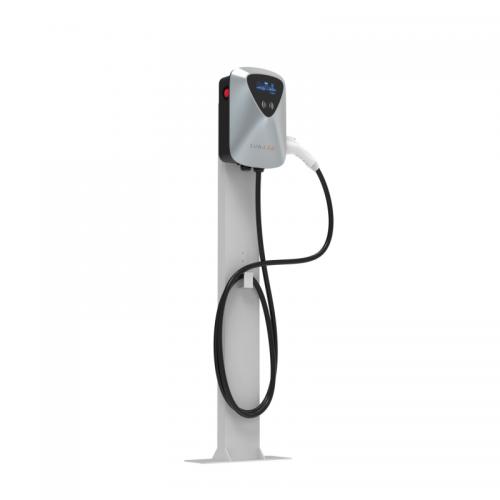
An EV wallbox, also known as an EV charging station or electric vehicle supply equipment (EVSE), is device used to charge electric vehicles (EVs) from an electrical power source. Wallboxes are typically installed in residential homes, commercial buildings, parking garages, or other locations where EV charging is needed.
Standard:
SAE Standard / IEC StandardConnector type:
Type 1 / Type 2Connector Mechanical Operating Life:
≥10000 times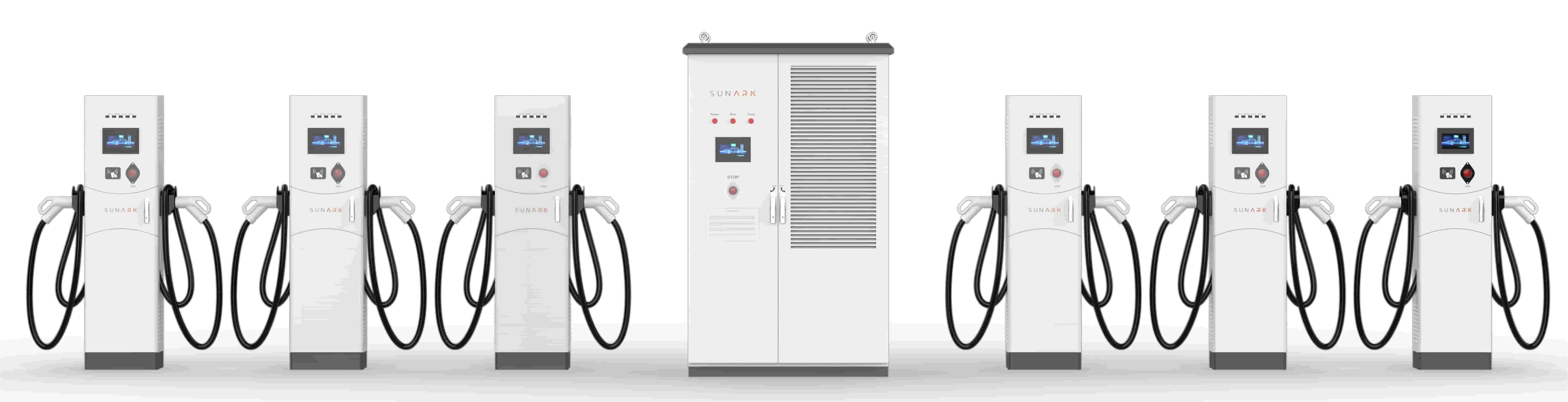
The power range of an EV wallbox can vary depending on the specific model and its capabilities. Most wallboxes available on the market support charging levels ranging from 3.6 kilowatts (kW) to 22 kW or higher. These power levels determine the speed at which an EV can be charged.
It's important to note that the charging power of an EV wallbox should be compatible with the maximum charging capability of your electric vehicle. Different EV models have different maximum charging rates, commonly measured in kilowatts. For example, a particular EV might have a maximum charging rate of 7 kW, so using a wallbox with a power range of 3.6 kW to 22 kW would be suitable for charging that vehicle.
It's always recommended to consult the specifications of your EV and the EV wallbox to ensure compatibility and optimal charging performance. Additionally, local electrical codes and regulations may have specific requirements for the installation of EV wallboxes, so it's essential to comply with those guidelines during installation.

Here are some common features of EV wallboxes:
Charging Capacity: EV wallboxes come in various charging capacities, typically ranging from 3.7 kW to 22 kW. Higher-capacity models can charge the vehicle faster, reducing charging time.
Connector Type: Wallboxes support different connector types, such as Type 1 (SAE J1772) or Type 2 (IEC 62196). The connector type varies depending on the region and the EV model.
Charging Modes: Wallboxes usually offer multiple charging modes. The common ones are Mode 2 (using a domestic power outlet with an adapter cable) and Mode 3 (using a dedicated charging cable connected to the wallbox).
Safety Features: EV wallboxes incorporate safety features like overcurrent protection, ground fault detection, and protection against overheating. These features ensure safe and secure charging operations.
Smart Charging: Some advanced wallboxes are equipped with smart charging capabilities. They can communicate with the vehicle, adjust charging rates according to electricity tariffs, and even allow remote monitoring and control through a smartphone application or web portal.

Connectivity: Many EV wallboxes offer connectivity options, such as Wi-Fi or Ethernet, enabling features like software updates, energy consumption tracking, and integration with smart home systems.
Charging Statistics: Wallboxes may provide charging statistics, including energy usage, charging duration, and cost analysis. These features help EV owners monitor their charging patterns and manage electricity consumption.
Design and Compatibility: EV wallboxes come in different designs, including wall-mounted or pedestal models. They should be compatible with EVs from various manufacturers and comply with relevant charging standards.
User Interface: Wallboxes typically have a user-friendly interface, such as an LCD screen or LED indicators, to display charging status, power settings, and error messages.
RFID or Key-based Access Control: Some wallboxes support access control features, requiring an RFID card or a specific key for authorization. This allows controlled usage and prevents unauthorized charging.
Remember that specific features and capabilities may vary depending on the brand, model, and the intended use of the EV wallbox.

How to monitor EV Chargers?
Charger Management Software: Many charging station providers offer software platforms that allow users to monitor and manage their EV chargers remotely. These platforms provide real-time data on charging sessions, energy usage, and payment processing.
Mobile Apps: Some charging station manufacturers provide companion mobile applications that allow users to monitor their charging sessions, check the status of chargers, and receive notifications or alerts.
Networked Charging Stations: Charging stations connected to a network can be monitored centrally by charging station operators or service providers. They can access data on charging status, energy consumption, and any faults or maintenance requirements.
Energy Management Systems: In commercial or public charging installations, energy management systems may be used to monitor and optimize the charging process. These systems can gather data from multiple chargers, manage charging schedules, and balance energy demand.
FAQs:
Q1: Do you support OEM/ODM?
A:Definitely, OEM&ODM service is supported with a certain quantity,including customize logo,package and label;
Q2: What's the production time?
A: The production time is normally 15 working days. but we will always prepare some stocks for popular models.
Q3: Can you provide DDP service?
A:Yes, if you are a personal customer and don't want to deal with the customs, we can provide DDP service to your address.
Q4: What about the warranty and how to claim?
A: Warranty period are 5 years since you receive the product, our professional after-sales team will deal with all warranty issues.
the use of EV chargers is essential for the successful adoption of electric vehicles. They provide the necessary infrastructure for recharging EVs, making it convenient and practical for people to utilize electric transportation and reduce dependence on fossil fuels.
An EV charger, short for Electric Vehicle charger, is a device used to supply electric power to recharge the batteries of electric vehicles (EVs) and plug-in hybrid electric vehicles (PHEVs). EV chargers come in various types and configurations, each offering different charging speeds and compatibility with different vehicles.
It's important to note that the availability of chargers may vary depending on your location and the infrastructure in place. Additionally, newer charging technologies may emerge over time, so it's always good to stay updated with the latest developments in EV charging technology.
It's worth noting that the specific components and features of AC/DC charging stations can vary depending on the manufacturer, charging standards supported (e.g., CHAdeMO, CCS, or Tesla Supercharger), and the power output capabilities (e.g., Level 2 or Level 3 fast charging).
"AC charger" is often used interchangeably with "charger" or "wall charger," as most chargers for small electronic devices operate on AC power. However, there are also chargers that directly use DC power, such as car chargers or solar chargers, which can convert the DC power from a car battery or solar panel into the appropriate voltage and current for charging devices.
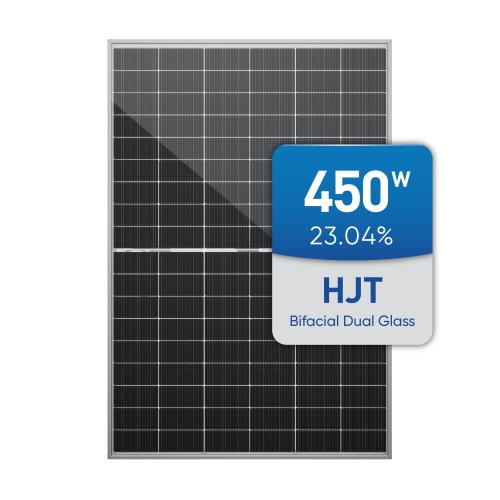
EVO 5N Series Bifacial modules combine combining gettering process and single-side μc-Si technology to ensure higher cell efficiency and higher module power. More stable power generation performance and is even better in hot climates. Natural symmetrical bifacial structure brings more energy yield from the backside.
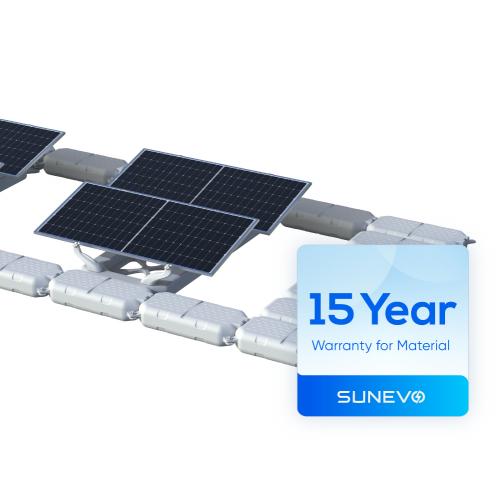
The Floating Solar Mounting System, also known as the Floating Solar Rack System, is a specialized mounting solution designed for installing solar panels on water bodies such as ponds, lakes, or reservoirs. It allows the solar panels to float securely on the surface of the water, maximizing energy generation potential.
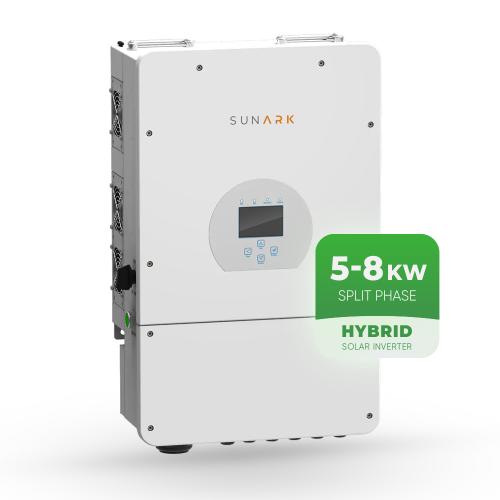
The series, SUN-5/6K-SG01LP1-US SUN8K-SG01LP1-US, is a split phase low voltage (48V) hybrid inverter that enables enhanced energy independence and maximizes self-consumption through export limit feature and “time of use” function. Split phase design makes this model very popular for North and South American countries, such as America, Puerto Rico, Panama, etc.



 IPv6 network supported

 français
 Deutsch
 italiano
 español
 português
 العربية
 日本語
日本語 Polski
 ไทย
ไทย